
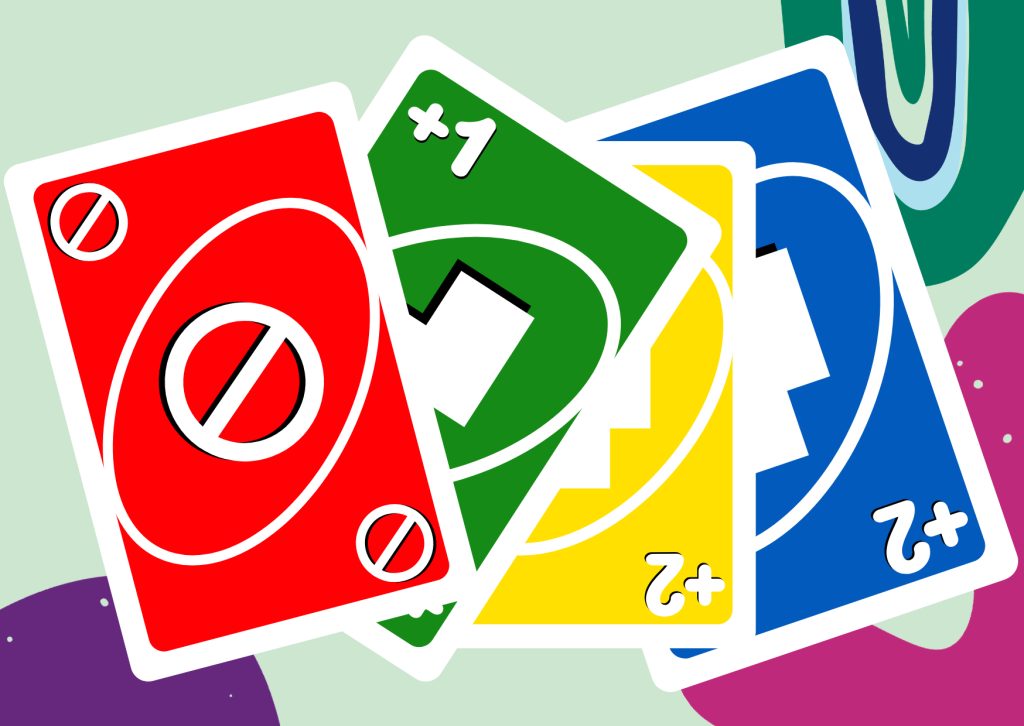
The Power of Uno
For anonymity, the young person’s name has been changed.
When he was 14, Jay was referred to the Full Circle Programme at Young Gloucestershire. At the time, he was experiencing a number of changes and challenges in his life. He had received multiple exclusions from school and was becoming increasingly disconnected from education. There were also concerns around some of the people he was spending time within the community and the influence these relationships could have on his choices.
Alongside this, Jay was experiencing significant changes at home following the breakdown of his parents’ relationship. These changes had affected family relationships and contributed to a period of uncertainty and frustration for Jay.
When Jay first began working with his youth worker, he found it difficult to engage positively with adults and talk openly about what was happening for him. His youth worker focused on creating a consistent, safe and non-judgemental space where Jay could talk openly and feel listened to. Jay was given the time to engage at his own pace, with his youth worker taking an interest in the things that mattered to him and recognising his strengths. His youth worker often played games such as Uno, with Jay as a way of creating conversation, building rapport and helping the sessions feel more relaxed.
As Jay became more comfortable, he started to talk more openly about what was happening in his life. Jay shared that he had been lashing out at school when things were ‘rubbish’ at home. Together, they explored different ways he could deal with those feelings and what might help in these situations. They looked at different coping strategies and positive outlets for frustration. Jay identified an interest in boxing, so his youth worker explored local boxing clubs with him as a possible positive activity where he could develop skills, build confidence and have an outlet for some of the emotions he was experiencing.
Jay also identified a teacher within school who he felt comfortable talking to. Having someone he could approach when things were becoming difficult gave Jay a more positive way of seeking support before his frustration escalated.
Alongside this, sessions provided Jay with space to talk about the people he was spending time within the community. His youth worker approached these conversations openly and without judgement, allowing Jay to explore his friendships and the different influences around him. Jay was encouraged to think about what he wanted from his friendships, what situations could place him at risk and how the choices he made could affect the opportunities available to him in the future.
Jay also spoke about how his parents’ divorce had impacted him and shared that he missed spending time with Dad. His youth worker signposted him to Talk Well counselling as an additional source of support, and although he did not feel ready to access counselling at that time, he said that it was something he might consider in the future.
Throughout the support, Jay became more able to manage his emotions and deal with frustration in more positive ways. He also began engaging more positively with school and was able to identify trusted adults and positive outlets that could support him when things became difficult.
Reflecting on his experience at YG, Jay said:
“At first I didn’t really want to talk, but my youth worker didn’t force me to. I just liked playing Uno. When I got to know them a bit more, it was good to be able to talk to them about things, and they gave me advice that actually helped.”
Talking about feelings can sometimes feel like the hardest thing to do, people don’t like to be emotionally vulnerable, with a stranger. This is why it is important to build that level of trust, games like uno might not feel important but it is helping to build that level of trust and comfort that encourages talking at a pace that is comfortable. Jay sharing his feelings allowed the youth worker to personalise the support, finding the boxing as an outlet and identifying trigger points and coping strategies for them.
Jay’s progress was measured throughout his support using the Warwick-Edinburgh Mental Wellbeing Scale (WEMWBS).
WEMWBS score:
Start – 27
End – 41
Do you need support?
Refer for our services here:You may also like...
From Education to the Voluntary Sector
A Day in the Life of a Frontline Youth Worker
The Importance of Fitness
13 Years At Young Gloucestershire – My Journey