Finding Your Voice – The struggle to express yourself in a new country
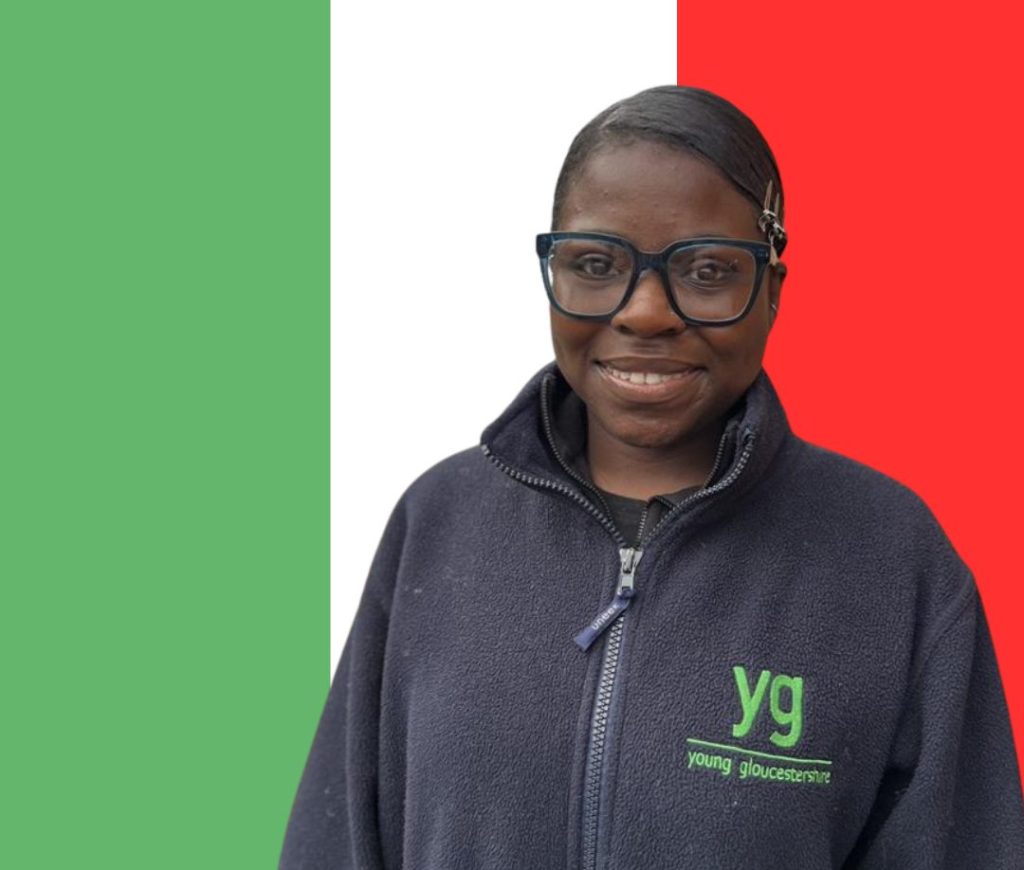
Vicky is a youth worker supporting young people back into education, helping them overcoming barriers they face. She shares her experience of finding her own voice.
Have you ever known exactly what you wanted to say but struggled to find the words? Or felt like everyone else’s voice was louder than yours?
At the age of 15, I moved from Italy to the United Kingdom. Initially, I was enthusiastic about the opportunities this presented; attending a new school, meeting new people and experiencing a different culture and way of life. It was a fresh start. However, adapting to my new environment proved harder than I had anticipated.
Learning English in a classroom is significantly different from using it in everyday life. I was no longer able to express myself as naturally as I had in Italian. My sense of humour didn’t always translate effectively, and I often struggled to communicate my thoughts and feelings accurately. As a result, even routine conversations could be mentally exhausting.
Although learning the language was challenging, its effect on my confidence was the greatest difficulty. Before moving to the UK, I had always been someone able to express their self with ease. Afterwards, I became increasingly conscious of whether I was speaking correctly. At times, I felt that others only knew a small part of me and who I was. Consequently, I could be surrounded by other people and feel completely alone.
This gradually changed as my English improved. I became more comfortable speaking, making mistakes and expressing my opinions. I stopped worrying so much about getting every word correct and focused more just having a go and expressing myself as well as I could.
Reflecting on this experience has changed my understanding of what it means to have a voice. Having a voice doesn’t require constant confidence or certainty about what to say. It can be acknowledging difficulties, asking for support, establishing boundaries, expressing an opinion or simply being able to be yourself.
Several factors can make self-expression more difficult, including challenging experiences, anxiety, low confidence, significant life changes and the feeling of not being heard. Sometimes, individuals may not recognise the extent to which they have stopped expressing themselves until they begin to feel comfortable enough to speak openly again.
Finding my voice was a gradual process. I had to accept that mistakes were a natural part of learning and recognise that difficulty communicating didn’t mean that my thoughts were less valuable or that I had nothing to say. Simply that I needed more time and support to be able to say them to other people. Demonstrating the importance of creating space for people to express themselves, particularly when doing so does not come easily.
The process may begin with telling someone how one feels, explaining what one needs, sharing an opinion or initiating a conversation that has previously been avoided. However, it is ok not to be ready yet, finding your voice doesn’t need to happen immediately. It can develop gradually, beginning with the recognition that what each person has to say is, and always has been, valuable.
You may also like...
From Education to the Voluntary Sector
A Day in the Life of a Frontline Youth Worker
The Importance of Fitness
The Power of Uno