
Redesigning Graphic House: Creating the safe spaces young people deserve
Redesigning Graphic House: Creating the safe spaces young people deserve
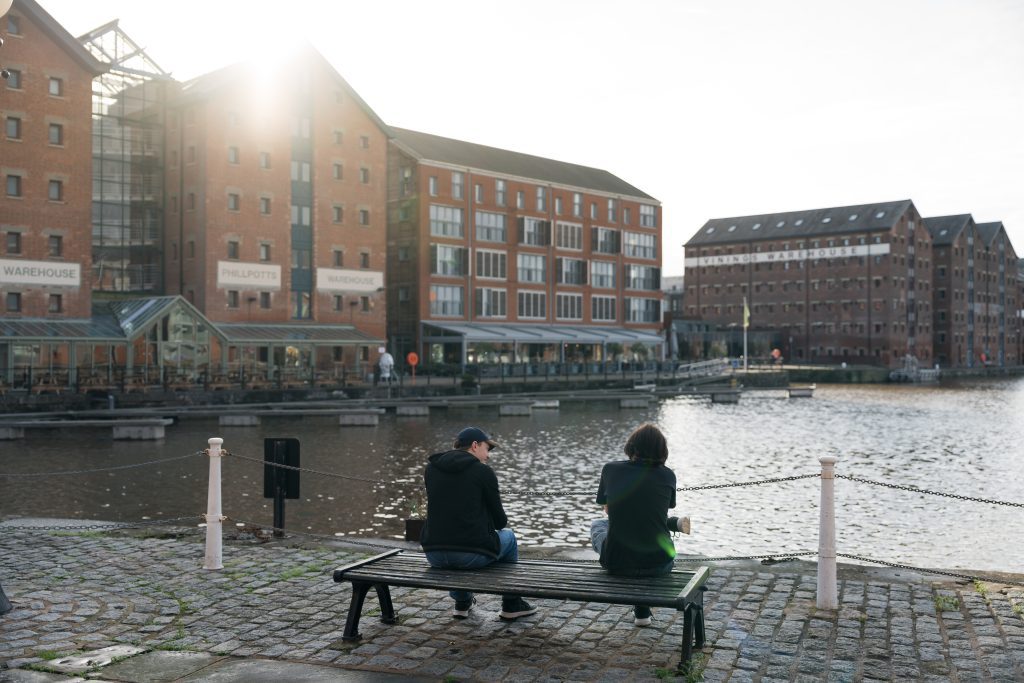
At Young Gloucestershire, we believe every young person deserves to feel listened to, supported and empowered to grow. Our buildings play a big part in that experience, which is why we’re excited to be refreshing Graphic House, our busy hub in the heart of Gloucestershire. Graphic House has been home to many of our services for several years, welcoming young people every day for support, advice and one-to-one sessions. As the needs of young people have evolved, we’ve taken time to reflect on how well our space meets those needs and where it can do better.Why change is needed
Some of the rooms within Graphic House were never designed for private or therapeutic conversations. Sound can travel easily, and a few areas don’t offer the level of comfort or confidentiality that young people have told us is essential. For one-to-one support especially, feeling safe, calm and at ease can make all the difference.
What’s happening next
This year, we’re redesigning Graphic House to better support the young people who rely on it. The refurbishment will include:
New internal partitions to create dedicated spaces
Improved soundproofing throughout the building
A brighter, more welcoming look and feel
Once complete, Graphic House will offer comfortable, reassuring rooms designed specifically for meaningful one-to-one support.
Shaped by young people
Young people have been at the heart of this project from the very beginning. Through conversations and creative sessions, they’ve shared what helps them feel safe and relaxed, from colour choices to layout ideas. Their feedback has shaped the redesign, and it’s been inspiring to hear their excitement about seeing the space transform.
More than a refurbishment
This project is about more than new walls or fresh paint. It’s about strengthening how we support young people across Gloucestershire. By improving Graphic House, we’re investing in better experiences, better conversations and better outcomes for every young person who walks through our doors.
Thank you to everyone who has contributed to this project – especially the young people who continue to guide and inspire our work. We can’t wait to share the finished space with you.
Meet Jamie – Learning, growing, and giving back through Youth Work
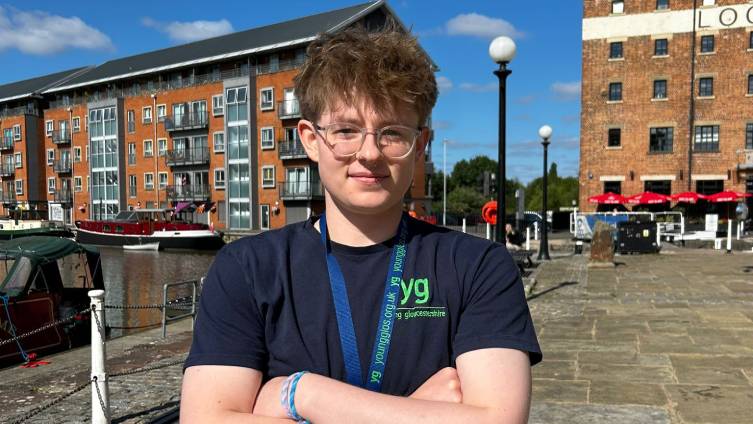
I’m Jamie Rycraft, and I’m currently a multi-disciplinary youth work apprentice. So far, it’s been an amazing journey I’ve loved getting stuck into the job, learning something new every day, and meeting so many brilliant people and organisations who are all passionate about helping young people thrive.
Back in 2020, I went to college to study Health and Social Care because I wanted to become a social worker. I worked hard and earned my Level 3 Diploma and Extended Diploma. But at the same time, I was also receiving support from Young Gloucestershire (YG).
That support changed my life. I was struggling with my gender identity at the time, and thanks to my youth worker and counsellor, I was able to take the first steps in my transition. They helped me figure out not just what I wanted to do professionally, but who I wanted to be personally.
After my support ended, I kept working hard and focusing on my goals. Without YG’s encouragement, I honestly don’t think I’d have had the confidence to get where I am today. That experience inspired me to become a youth worker myself to give back and support other young people who might be going through their own challenges.
With both personal and professional experience behind me, I hope I can be someone that young people can look up to and relate to.
Why did I chose a Youth Work Apprenticeship? I’ve always found traditional education a bit of a struggle, sitting in a classroom all day just wasn’t for me. That’s why an apprenticeship felt like the perfect fit. Learning on the job gives me the chance to gain real experience while still building my skills.
In just a few months, I’ve already learned so much. There’s such a wide range of support and organisations out there for young people, and being part of that network is incredible. What I love most about Young Gloucestershire is how much they value the voice of young people. It’s such an important part of helping them grow and feel heard.
I am excited to keep working with YG, learning everything I can, and using that knowledge to make a real difference. Every day feels rewarding and honestly, I can’t wait to see what the future holds.
My advice for anyone thinking about a Youth Work Apprenticeship is to go for it. If you’re not quite sure yet, why not try volunteering first? It’s a great way to get a feel for the job and build some experience.
Volunteering can open so many doors. You’ll learn loads, meet amazing people, and best of all you’ll have fun doing it! One of my favourite parts of the apprenticeship is visiting other organisations, chatting about what they do, and experiencing their services first-hand. It really helps me understand what young people go through and how we can best support them.
Youth work is such an important service and I can say that from personal experience. Everyone, at some point, can benefit from support whether that’s counselling, therapy, mentoring, or youth work. Sometimes, just having someone to talk to can make all the difference.
What makes youth work special is that it’s all about listening to young people and helping them achieve their goals. It’s not about telling them what to do it’s about guiding them, helping them build confidence and self-esteem, and cheering them on as they start smashing life.
Young people face so many changes as they grow up, and youth work is there to make sure they don’t face those challenges alone. It’s about being there, supporting them, and helping them believe in themselves just like YG did for me.

From Probable Mental Illness to Wellness
Across the UK, more young people are struggling with their mental health than ever before. Last year, Young Gloucestershire supported over 5,000 young people, and four in every five arrived with a mental health concern. Behind those numbers are invisible battles: anxiety that keeps them awake at night, sadness that clouds their days, and pressures that feel impossible to escape.
To understand both the need for our services and the difference we make, we listen carefully, not just to stories, but to data too. Young people complete surveys at the start and end of their support, helping us to see what’s changing and where it matters most. One of the tools we use is the Warwick–Edinburgh Mental Wellbeing Scale (WEMWBS), a validated and nationally recognised measure of wellbeing.
To most people, those scores may look like just numbers. But in wellbeing terms, they tell a story. A WEMWBS score of 41 or below signals u003cemu003eprobable clinical depression or severe psychological distressu003c/emu003e (Warwick University, 2023). In other words, these young people weren’t just “feeling a bit down.” They were likely experiencing clinical levels of distress, comparable to what a doctor might diagnose as major depression. During 2024/25, nearly two-thirds (62.5%) of the young people we supported started with a score of 41 or below.
Public health research shows that low wellbeing affects everything: school attendance, physical health, friendships, and future employment (Public Health England, 2023). Behind every low score is a life interrupted, a young person lying awake at night, a classroom seat left empty, and a dream not lived.
It takes quiet courage to ask for help, and even greater courage to accept it. Our work begins in that first act of bravery, when a young person accesses our support and lets us walk beside them. For some, that starts with counselling, where they can finally speak freely. For others, it’s mentoring, group work, or creative projects that rebuild confidence and connection.
“It’s quite scary talking to a stranger at first, so I think it’s really important to make a good first impression if you want someone to open up about their life. YG succeeded in this, so I could be my normal bubbly self — not many people get to see that side of me.”
In services where wellbeing is measured using the Warwick–Edinburgh Mental Wellbeing Scale (WEMWBS), 922 young people improved their scores, with an average 9.3-point increase. Research by the University of Warwick found that a three-point increase represents a meaningful improvement in wellbeing, making the progress seen in our young people three times higher than that benchmark. In practical terms, they moved from a place of distress to one where hope, strength, and possibility began to return.
But numbers can’t capture the depth of what that means.
- A young person who once couldn’t face school begins to attend again.
- A young adult who felt invisible applies for an apprenticeship.
- A young person who had stopped smiling starts to look forward to tomorrow.
- And the ripple doesn’t stop there.
Wellbeing isn’t an individual achievement; it’s a shared experience.
A happier young person means a happier home. Parents sleep more easily. Teachers see confidence return to the classroom. Friends reconnect.
“YG has been a fantastic source of support and empathy. The change in my daughter has been incredible — even the school has noticed. You’ve been magical. Thank you.”
Progress doesn’t always shout. Sometimes it’s quiet, smiling for the first time in years, the courage to walk back into college, or talking about the future as if it might actually happen. For this young person, it was starting their own business: “I really cannot thank you enough for the work you did with me last year. You helped me get my sparkle back — the old me, confident, happy, and bubbly. Since finishing therapy with you, I’ve opened two businesses! Something I probably wouldn’t have done before due to lack of confidence.”rnrn922 young people completed support with improved wellbeing, moving into the healthy range on WEMWBS. Each one represents a story of strength, of someone who faced uncertainty, fear, or loss, and still found the courage to try again. Their determination is humbling. Their honesty, resilience, and humour remind us what’s possible when the right support is offered.
This transformation doesn’t happen in isolation. It’s made possible by everyone who believes in young people, the funders who invest in young people, the professionals who connect young people to our service, our staff who show warmth and skill in every conversation, and most of all, the young people themselves. When given safety, support, and the tools to rebuild, they remind us what hope looks like in real life. They are not just the reason this work matters; they are the proof
Young Gloucestershire’s ED and I journey
At YG, change is being driven not just by policies or plans, but by people. Our Equity, Diversity and Inclusion (EDI) Champions are a passionate group of staff who’ve stepped forward to make sure YG is a place where everyone: young people their families, staff, and volunteers feel they belong.
The champions aren’t just ticking boxes. They’re sparking conversations, challenging habits, increasing awareness and finding practical ways to support our work and the people we work with.
The EDI Champions came together in early 2024, drawn from all corners of YG. They meet regularly, bringing different perspectives, experiences, and lived realities to the table. Their mission? To make YG’s culture as diverse and inclusive as the young people and families we work with focusing on the following four key priorities:
- Environment & Culture – making YG a safe, welcoming, and inclusive workplace.
- Recruitment – ensuring our workforce reflects the young people and families we work with
- Communications – making sure our messages are clear, accessible, and inclusive.
- Service Delivery – reaching more young people in underrepresented communities
One champion summed it up at a recent meeting, “It’s about making sure no one feels like an outsider, whether that’s a young person walking into one of our projects, or a colleague stepping into the office for the first time.”
The Champions also recognise how important it is for the people we work with to see themselves reflected in the staff team. That’s why they’ve been reviewing recruitment practices with a fresh eye ensuring job descriptions use inclusive language, ask for the key requirements for the role and not over and above, as well as thinking carefully about where roles are advertised, to maximise our reach to people from all backgrounds. They have developed mechanisms to gain a deeper understanding of the lived experience within the workforce of YG and how this can be both supported and valued throughout the organisation.
Most importantly, the work of the Champions is helping us reach young people and families who might not have connected with YG before. Whether that’s through partnerships with other VCSE organisations, celebrating cultural diversity, or simply being more visible in communities where YG hasn’t had a strong presence, our message is clear: YG is here for every young person and their family in Gloucestershire.
There’s still so much to do. The Champions are already planning more staff training on unconscious bias, developing new outreach strategies, and building partnerships that will strengthen our connections with communities across the county. So watch this space for updates as we continue to progress through our ED and I journey.

Free travel for young people
Free Travel Bursary for Young People in Gloucestershire
Partners across Gloucestershire have been working together to develop ‘The One Plan’ a shared vision for children, young people, and families across the county. You can check it out here.
A huge part of this plan is making sure young people’s voices shape what happens. One thing we’ve heard loud and clear is that travel is a big challenge routes can be limited, tickets are expensive, and that makes it harder to meet friends, access services, or get to school, college, or work.
That’s why we’re really excited to share that, thanks to partnership work through The One Plan network, a Free Travel Bursary Scheme is now available for young people in Gloucestershire.
We know it won’t solve everything, but it’s an important step in helping young people feel more connected and supported, and to see what difference free transport can make.
If you’re aged 14–25, you can apply for a bursary easily using the online referral form.
-
You can apply for yourself
-
A family member can apply for you
-
Or a professional (like a youth worker or teacher) can make a referral
We want as many young people as possible to benefit so please help spread the word!
If you have any questions, drop us an email at getinvolved@youngglos.org.uk 💬
Safeguarding in 2025: Supporting Young People Across Gloucestershire
As Young Gloucestershire (YG) has grown over the past five years to meet the increasing needs of young people, our role in safeguarding has expanded too. In 2024/25, we supported over 5,200 young people, and 27% of them required safeguarding support.
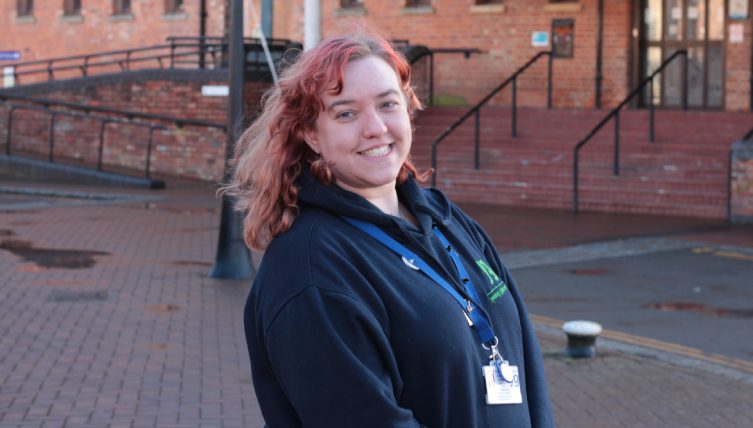
To ensure we provide the right support, guidance, and policy development, YG invested in a full-time Safeguarding Operations Manager around 20 months ago. I currently fulfil this role as the Designated Safeguarding Lead (DSL). My main responsibility is to support our team in safeguarding children, young people, and families from significant harm, while also amplifying the voices of those we support.
I act as a bridge between our staff, young people, families, and external agencies such as social care, health, and the police, advocating for those at risk and ensuring their needs are met effectively.
Young Gloucestershire supports a diverse range of individuals across rural communities, market towns, and urban centres. While many young people in our communities thrive, others face challenges linked to poverty, rural isolation, mental health, exploitation, or family breakdown.
Supporting my work is a dedicated Safeguarding Team at YG, made up of highly trained professionals who put young people at the heart of their approach. Their expertise in safeguarding protocols ensures that any situation is handled with care, compassion, and efficiency, guaranteeing the highest standard of protection for everyone under our care.
Beyond working directly with young people and our internal team, I also play a strategic role across Gloucestershire, providing sector-wide training, engaging with the Gloucestershire Children’s Safeguarding Board and its subgroups, and collaborating with partners to improve outcomes for young people across the county.
At Young Gloucestershire, safeguarding isn’t just a policy—it’s a core part of our ethos. By listening to young people, supporting our staff, and working in partnership with the wider safeguarding community, we continue to ensure that every child and young person has the protection and support they need to thrive.
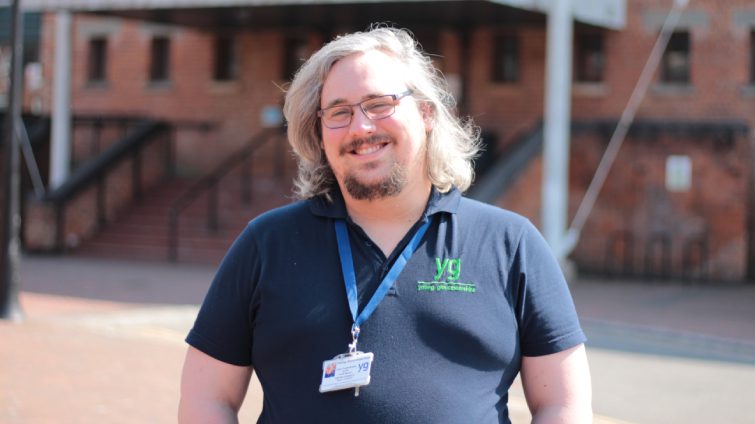
My Youth Work Training Journey
Looking back over my 15 years in youth work, it’s amazing to reflect on how much has changed, both in the sector and in the way we train new youth workers.
I began my journey in 2013, fresh from completing my postgraduate diploma and earning my JNC qualification. Full of enthusiasm and energy, I was ready to make a difference for young people. But it was also a challenging time: youth services were facing huge cuts, local authority youth clubs were closing, and opportunities for training new youth workers were starting to shrink.
Fast forward to 2025, and youth work is still here. Youth workers remain a resilient, passionate bunch, committed to supporting young people despite all the obstacles. The need for our work has never been greater, and thankfully, there are still fantastic training providers helping to keep quality youth work education alive.
Training is vital. Youth work isn’t just “something anyone can do.” It’s a distinct profession, as important as teaching or social work, requiring a unique set of skills, knowledge, and ethos. It’s about voluntary engagement, active participation, and creating safe, informal spaces where young people feel valued and heard.
Here at YG, we’ve recently launched the Level 3 Apprenticeship in Youth Support Work, as part of our commitment to ensure there are trained youth workers supporting young people. I’ve had the privilege of helping design and deliver this programme, and it’s been a real joy to return to theory and explore how it applies in practice. Not only does this help me keep my own practice fresh and young person focused, but it also allows me to share youth work values and skills with the next generation of practitioners.
Working with apprentices reminds me why I first chose this career. Their energy and enthusiasm rekindle my own passion and inspire our veteran youth workers as well. At YG, this combination of experience and fresh perspective strengthens everyone involved, keeping youth work alive, relevant, and effective.
Apprenticeships aren’t a replacement for university-level education. There’s immense value in the depth of study offered by higher-level qualifications, and I hope some of our apprentices will continue their learning journey. But apprenticeships provide a fantastic entry point for anyone looking to step into the field and right now, we need more trained, skilled youth workers than ever.
Being part of this process, helping people take their first steps into youth work, and ensuring young people are supported by qualified, passionate practitioners is incredibly rewarding. It’s a reminder that nurturing enthusiasm and energy isn’t just about the young people we work with it’s also about keeping our own commitment to youth work alive.
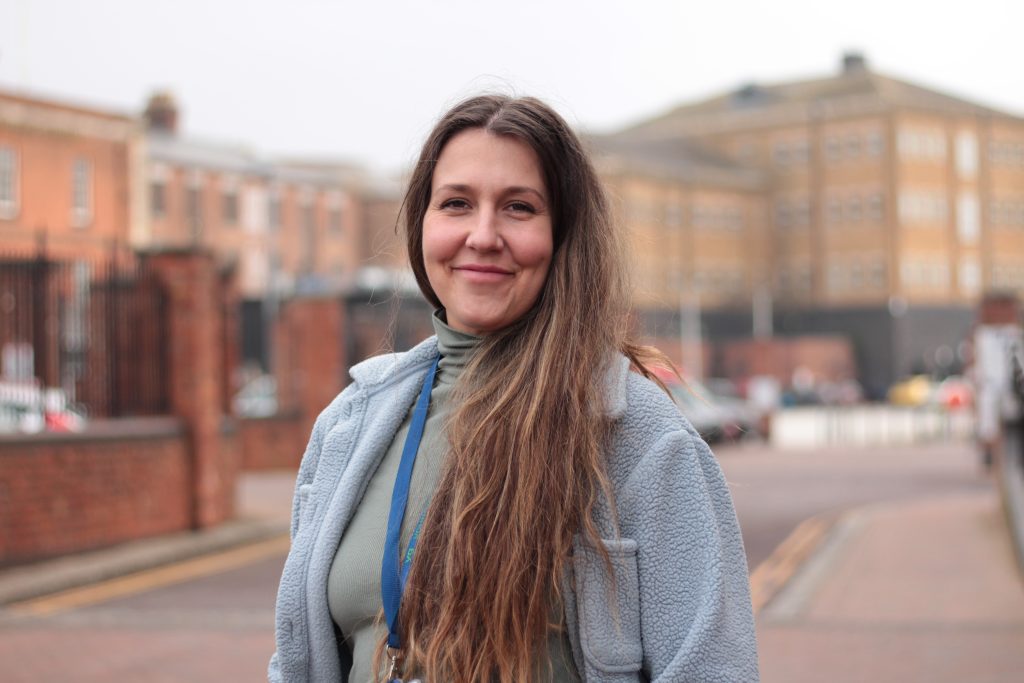
Launching Apprenticeships
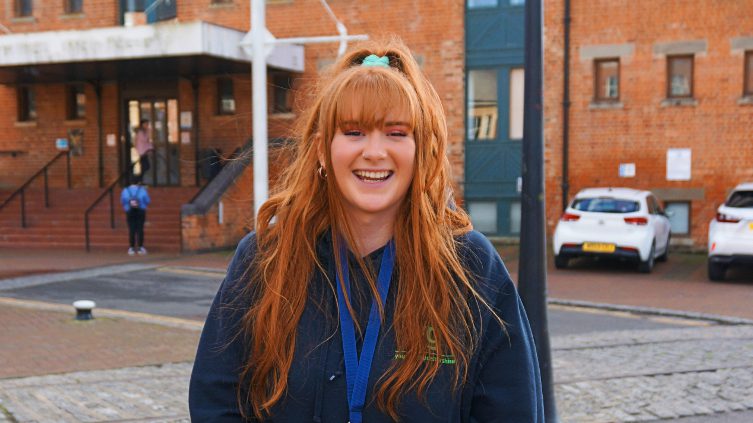
A day in the life of an Operations Manager
Hi, I’m Carli – one of the Operations Managers at YG.
I lead our Mentoring and Families department, making sure everything behind the scenes runs smoothly so our teams are fully equipped to support young people and their families in the best way possible.
One of the things I love most about working at YG is that no two days are ever the same. My role is really varied – some days I’m holding 1-1s with staff, running team meetings, or supporting caseload reviews. Other days, I’m out and about meeting with partner organisations across the county, building strong relationships and exploring new ways of working together to improve outcomes for young people.
A key part of my role is reviewing data and outcomes to ensure we’re meeting our targets and clearly demonstrating the impact of our work. I also meet regularly with commissioners and prepare reports that highlight the incredible support our teams provide every day.
As part of YG’s safeguarding team, I help guide and support staff in responding to concerns, making sure we’re prioritising the safety and well being of the young people we work with.
Staff development is another area I’m passionate about. I deliver training both within YG and externally, helping to up skill colleagues and grow our shared expertise. I also work closely with our senior leadership team to plan ahead and continue developing as an organisation – building on all the great work we’re already doing.
Although I don’t work directly with young people myself, they’re at the heart of everything we do. Hearing their stories, celebrating their progress, and seeing the difference our support makes is a constant reminder of why I love being part of YG.

Finding Strength Together
Jasmin Cartwright, Therapeutic Worker on Young Gloucestershire’s Arcus project, shares the inspiring story of Sarah and Alex. Through Arcus, this family received crucial support to navigate the challenges of gender identity, autism traits, and societal pressures, transforming their journey from uncertainty to confidence and connection.
“When we first met Sarah (names changed for anonymity), a single mum of two, life felt overwhelming. Her eldest child, Alex, was transitioning from female to male, and her youngest showed traits of autism. Sarah had been referred to our Arcus service by a family support worker but was sceptical about what we could offer. Like many parents navigating unfamiliar territory, her mental wellbeing was fragile, her confidence shaken, and her knowledge of the LGBTQIA+ community shaped by the noise of social media and anxiety-inducing news outlets.
“Sarah’s journey with Arcus began hesitantly. She admitted feeling lost—unsure how to support Alex while battling fears about bullying, school policies, and societal prejudice. Her fears were compounded by misinformation and a lack of reliable resources.
“Through the Arcus service, we worked together to empower Sarah. We helped her step away from overwhelming online sources and provided balanced, supportive materials to build her understanding. We explored ways she could support Alex now and into the future, breaking the challenges into manageable steps. Together, we reviewed school policies, ensuring Sarah felt equipped to advocate for Alex. In time, Sarah’s confidence blossomed. She facilitated a meeting with Alex’s future school, which led to a thoughtful support plan: 1:1 mentoring, safe space bathrooms, the flexibility to join PE sessions based on comfort, and pairing Alex with another transitioning student for peer support.
“At the same time, Alex was also receiving tailored support through Arcus. For the first time, he felt truly heard and validated.
“Before Arcus, I had no one to talk to about my gender,” Alex shared. “No one seemed to understand transphobia or how it affects me. But now, I feel listened to. I’ve learned to manage my feelings, stand up for myself, and just be me.”
“The change in the family was profound. For Sarah, the sessions provided a space to learn, ask questions, and connect with others who understood. For Alex, it was a chance to grow his confidence and embrace his identity. As Sarah explained,
‘The support has been incredible. It’s given us both the space we needed to understand and support each other better. We’re stronger as a family because of it.’
“Stories like Sarah and Alex’s remind us why we do what we do. The Arcus service isn’t just about providing information—it’s about helping families navigate the unknown, build bridges, and create a future where everyone feels seen, supported, and valued.”
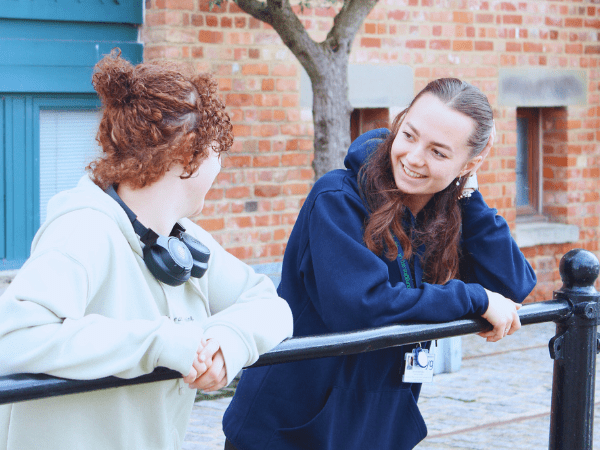
Supporting Ukrainian Refugees at Young Gloucestershire | Підтримка українських підлітків у Young Gloucestershire
Для перекладу цієї статті українською мовою натисніть на посилання нижче.
“My name is Khrystyna, and I am Ukrainian. Like many others, the war in Ukraine forced me to leave my home, and I arrived in the UK 1.5 years ago. Settling into a new country was incredibly challenging, despite having the advantage of speaking English due to my background as a translator and English teacher. I was fortunate to have the support of my boyfriend’s family, who have lived in the UK for over 20 years. Their help made my transition a little smoother.
“When I arrived, I was determined to continue my teaching career, but I quickly discovered that my qualifications from Ukraine weren’t sufficient for schools in the UK. They required a different level of certification, which would take time to achieve. Needing work, I took a job in a café to earn money while adjusting to my new life.
“Eventually, I found a position as a cover teacher. The job was rewarding but difficult, especially as the UK education system is quite different from what I knew in Ukraine. Unfortunately, some students didn’t treat me well because of my accent and nationality. It was disheartening, but my passion for working with children kept me going. I knew I wanted to find a job where I could make a bigger difference.
That’s when I came across a job posting from Young Gloucestershire (YG). As soon as I saw it, I knew this was my calling. YG was launching a project to support Ukrainian young people—something I felt deeply connected to. I applied immediately, and a few weeks later, I joined the team. For the first time since arriving in the UK, I felt like I was in the right place, where I could use my experiences to help others who were going through the same struggles.”
The Young Gloucestershire Ukrainian Refugee Programme
“In July, we launched a programme at YG specifically designed to support Ukrainian young people aged 11 to 25. Our aim is to help them navigate the many challenges they face in their personal, social, and educational lives. We provide practical support in areas such as booking doctor’s appointments, setting up self-care routines, and building self-confidence. We also help them find jobs or write CVs, develop goals, and explore motivation. But more than that, we create a space where young people can simply be themselves, whether that’s playing games, cooking, drawing, or just chatting about everyday topics. Each session is tailored to the individual’s needs and interests.
“Our mentoring sessions last 50 minutes and take place once a week for six months. We meet with young people at our offices in Gloucester, Cheltenham, or Tewkesbury, or we can work in schools or community spaces where they feel most comfortable. The key is flexibility—creating an environment that feels safe and welcoming.”
The Bigger Picture in Gloucestershire
“Since the Russian invasion of Ukraine, more than 200,000 Ukrainians have sought refuge in the UK, with about 1,200 living in Gloucestershire. While the county has provided support in terms of housing, education, and financial aid, young people are still facing significant barriers, especially in schools. Many struggle with feelings of isolation, anxiety, and trauma, which are only heightened by the language barrier and cultural differences.
“As a result, many Ukrainian students find it hard to integrate. Susi Ridley-Marshall, a teacher at Archway School, where I work closely with students, highlighted that a significant number of Ukrainian students are feeling isolated. Despite their strong language skills, they tend to stick together with other Ukrainian students rather than branching out to make English friends. This has been particularly challenging for those who arrived at secondary school age, like those in Year 9, where friendship groups are already established.
“Susi shared, “Archway School has had about 45 Ukrainian students since April 2022, though some have since moved back to Ukraine or relocated within the UK. Currently, there are around 20 Ukrainian students at the school, and while many of them are making progress, the adaptation process is still difficult. These students are dealing with the trauma of war, compounded by the challenges of adjusting to a new language and education system. Some are also grappling with feelings of anger and resentment about being in the UK—they want to return to Ukraine but are uncertain about whether that will ever be possible.” She also noted that “students who attended primary school in the UK before transitioning to secondary school have found it easier to settle in, compared to those who arrived later. For many older students, the struggle to make friends and feelings of loneliness are ongoing issues.”
“In response to these challenges, we at Young Gloucestershire are working hard to provide support tailored to these young people’s unique needs. Through our programme, we aim to help them develop self-confidence, overcome language barriers, and find their place in British society.”
A Call for Connection
“Many of the young people we support have experienced significant trauma from the war. Some spent weeks or even months hiding in basements from rocket attacks or living under occupation. Understandably, these experiences have left deep scars. That’s why part of our work focuses on helping them feel safe again, both emotionally and physically. We use techniques to help them process their memories of the war and remind them that they are now in a safe environment.
“Schools play a vital role in this process as well. teachers can be a lifeline for Ukrainian students, offering extra English lessons and providing space where they can come together during breaks. However, the sense of isolation remains for many, especially when it comes to building friendships with British students.
Students tell me “small gestures can make a big difference. If classmates reach out, whether it’s inviting Ukrainian students to birthday parties or simply offering to help with homework, it goes a long way in helping us feel included.” Many of the young people we work with talk about how meaningful these connections are and how much they long for more opportunities to socialise outside of school.”
“At Young Gloucestershire, we are proud to be offering these young people the support they need to heal and grow. Through our work, we hope to help them not just survive but thrive in their new lives here in the UK.”
Supporting Families Through Challenging Times
When a family member becomes involved with the Criminal Justice System, the ripple effects are felt by everyone—especially the family left behind. Often overlooked in conversations about crime, these families bear emotional, financial, and social burdens in silence. This is where the Hidden Victims of Crime project steps in, offering vital, compassionate support. But what exactly does this project do, and why is it so important?
What is the ‘Hidden Victims of Crime’ Project?
The Hidden Victims of Crime project provides tailored, practical support to families who are affected by a loved one going to prison or becoming entangled in the justice system. The project is entirely free, ensuring that families have access to specialized help without the worry of additional costs.
Each family is paired with a dedicated therapeutic caseworker who conducts an in-depth needs assessment. From there, a personalized plan of action is developed, offering everything from mediation and advocacy to emotional support for children. The goal is to help these families navigate the emotional turmoil, social stigma, and practical challenges they face.
Why Are They Called “Hidden Victims”?
When we talk about crime, the focus tends to be on the offender, the direct victim, and sometimes the wider community. But there’s another group who suffers just as profoundly—the families of offenders. These families, particularly the children, are often forgotten or neglected within the criminal justice process, making them “hidden victims.” They aren’t just bystanders; they are direct and indirect victims of the offender’s actions, experiencing emotional distress, societal stigma, and significant disruptions to their daily lives.
The Impact on Children: Shocking Statistics
Children are particularly vulnerable to the effects of having a parent involved in the criminal justice system. In the UK alone, around 312,000 children have a parent in prison at some point each year, according to a 2019 report by the Prison Reform Trust. That’s approximately 2.5% of the child population in England and Wales. These children face a host of challenges, including:
- Educational disruption: They are twice as likely to struggle with behavioural issues, poor academic performance, and absenteeism.
- Living instability: Many children are cared for by other family members, such as grandparents or aunts, while some even enter the foster care system.
- Long-term mental health impacts: Children of incarcerated parents are at a higher risk for anxiety, depression, and trauma-related disorders.
- Increased risk of criminal behaviour: These children are more likely to engage in criminal activity themselves, perpetuating a cycle of crime within families.
Measuring the Impact: How the Project Helps
The Hidden Victims of Crime project doesn’t just offer support; it tracks the impact of its work to ensure real, measurable progress. The Warwick-Edinburgh Mental Well-being Scale (WEMWBS) is used alongside an 18-statement questionnaire, creating a baseline for each individual. This allows us to monitor their progress over time.
In the past year, the project has seen positive changes in many areas:
- 67.9% of individuals reported improvements in school attendance.
- 54.8% reported better mental health outcomes.
- 76.7% saw improvements in their overall family situation.
- 43.5% showed greater engagement in community activities.
These numbers reflect the transformative impact the project has on the families it serves.
The Short- and Long-Term Impacts on Children
The emotional and psychological effects on children whose parents are involved in the justice system can be both immediate and long-lasting.
Short-Term Impacts:
- Emotional distress: Fear, confusion, and anxiety are common reactions, particularly if the child witnessed the arrest.
- Stigmatization: Children may face bullying or social isolation due to their parent’s criminal involvement, leading to feelings of shame or rejection.
- Family disruptions: Changes in caregiving arrangements and economic hardship often follow, adding further instability to the child’s life.
- Academic struggles: Emotional turmoil can lead to declining school performance and behavioural issues.
Long-Term Impacts:
- Mental health challenges: Children are at higher risk for depression, anxiety, and even substance abuse later in life.
- Intergenerational crime: Sadly, many children of offenders are at greater risk of becoming involved in criminal activity themselves, perpetuating the cycle of crime.
- Educational and employment setbacks: The disruptions caused by a parent’s incarceration can lead to lower educational attainment, making it harder for these children to find stable, well-paying jobs in the future.
Breaking the Cycle: Theories Behind the Work
The Hidden Victims of Crime project is grounded in well-established psychological and sociological theories. One key framework is Attachment Theory, which suggests that children’s early bonds with their caregivers are crucial for emotional development. When a parent is removed from a child’s life due to incarceration, it can lead to attachment disorders, making it harder for the child to form healthy relationships and trust others.
Another is Life Course Theory, which explores how early life experiences can shape a person’s future behaviour. A child who grows up in a chaotic environment, where crime is normalized, is more likely to follow a similar path. By offering early interventions, like the ones provided by the Hidden Victims project, we can disrupt this cycle.
Real Stories, Real Change: A Family’s Journey
One family we supported had a parent in prison for a long sentence. The mother reached out to us because her son was struggling emotionally and socially. Through 1:1 sessions at home and school, using creative therapeutic approaches, we were able to help the young boy process his feelings and develop healthier coping mechanisms.
Here’s what his mother had to say:
“My son has been working with your service for a couple of months now, and it has been amazing. I’ve watched him become engaged and excited about his sessions each week. He’s learned to talk about his feelings, and the support has been wonderful for him and for us as a family. I just wanted to say thank you. We really appreciate it and hope you can continue supporting us through our family’s struggles.”
Why This Work Matters
At its core, the Hidden Victims of Crime project offers families—especially children—a lifeline during one of the most challenging times in their lives. By providing emotional support, advocacy, and therapeutic interventions, we can help break the cycle of crime and give these children a chance for a brighter, more stable future.
This is not just a project; it’s a vital service that fills a gap in the justice system, ensuring that the hidden victims of crime are no longer left behind.